Changing up the look and function of your yard sounds exciting, but layout problems can quickly take the wind out of your plans. Whether it’s an oddly shaped lawn, steep grading, or cramped space, a layout issue can throw off your entire vision. A great-looking design doesn’t mean much if your yard doesn’t feel balanced or usable. That’s why layout plays such an important role in turning backyard ideas into real, comfortable outdoor living spaces.
Thankfully, those challenges don’t have to stop a project in its tracks. With the right planning, even a tough space can be shaped into something that not only works physically but flows naturally. For homeowners planning a back yard remodel in Gilbert, AZ, finding smart, design-forward solutions to these layout frustrations makes a big difference. Arizona’s dry climate and strong sun also add another layer to the planning, so your solution isn’t just about structure, but also comfort and sustainability.
Identifying Common Yard Layout Challenges
Most yard transformation struggles start with the basics—what you’re working with before anything is built. If the natural elements in your yard don’t support your desired layout or you’re trying to over-design a space that doesn’t offer much flexibility, things can quickly get frustrating. Here are some of the most common layout issues we come across:
- Sloped or uneven ground: Hard to walk on, tough for installing patios or decks, and not ideal for sitting areas.
- Small or narrow lots: When space is limited, it gets harder to define zones for dining, lounging, or play.
- Irregular shapes or corners: These make it tricky to create a layout that looks symmetrical or feels open.
- Poor natural drainage: Water pooling in unwanted areas can damage landscaping and hardscaping elements.
- Lack of privacy: Open yard designs often need smart placement of plants or structures to feel comfortable.
One example is when a backyard has a sharp downhill slope leading away from the house. Without leveling parts of the yard or introducing a split-level design with retaining walls, it becomes hard to add seating areas or stable garden beds. These types of challenges demand both creativity and practical design knowledge to overcome.
While these problems may seem like major setbacks, the good news is that most can be managed with the right tools and planning. Once identified early in the design process, they can shape the direction of the layout instead of causing frustrations later.
Assessing and Planning for Effective Solutions
Before jumping into any design decisions, it’s important to actually read what your landscape is telling you. That means starting with a full evaluation of the space, instead of assumptions. Here’s a smart way to approach this step-by-step:
1. Analyze the ground: Look for sloped areas, dips, or uneven zones that could affect the function of patios or walkways. A grading plan will help identify where to make adjustments.
2. Watch the sunlight: Spend a day monitoring where the sun hits and how it moves. In Gilbert, those hot summer rays can turn a stylish seating area into an uncomfortable hot spot without shade.
3. Check for drainage: See where water tends to sit after irrigation or rain. If water flows toward the house, the plan needs to change to avoid long-term property damage.
4. Define your goals: Make a simple list. Do you want room to cook outside? Spots for kids or pets? Something low maintenance? These goals shape your layout choices.
5. Mark your zones: Divide up your yard into areas like cooking, dining, lounging, and planting. This won’t just help with planning, it’ll make the space feel intentional once built.
Taking time to inspect and draft a plan sets the stage for better results. If you start building before understanding how the space naturally wants to work, you could end up redoing things later on. Good design works in harmony with the layout, not against it. When every feature feels like it belongs in that space, the results are both stylish and practical.
Innovative Design Ideas for Overcoming Challenges
Once you’ve mapped out the space and outlined your goals, it’s time to get creative. A challenging yard doesn’t mean giving up on function or style. It just means thinking outside the typical layout box. Certain design tricks can turn tricky spots into standout features, especially in a place like Gilbert where summer heat, low rainfall, and smaller lot sizes all play a role.
If you’re dealing with changes in elevation or slopes, tiered garden beds and retaining walls can do more than just hold soil in place. They’re practical, but when finished with natural stone or concrete, they double as attractive focal points. These tiers can also be used to section off planting areas from lounge space or grilling stations, helping shape a smoother layout.
For narrow or small back yards, using multi-purpose features helps avoid clutter. Look for pieces that offer dual use, like a bench that also stores cushions, or a raised planter with built-in seating. Flex areas like these help the yard feel less cramped and more open.
Shade structures matter a lot in Arizona. Incorporating shade sails, pergolas, or ramadas over dining areas makes those spaces usable during the hottest months. When paired with a misting system, they’ll keep things comfortable well into summer.
Smart plant choices also play a big role:
- Use drought-tolerant trees or tall shrubs to create privacy and block views of neighbors
- Mix desert-friendly groundcovers with crushed granite to keep things low maintenance
- Add pops of color using native flowering plants that respond well to the desert soil and sunlight
The right planting plan won’t just survive. It can thrive with less upkeep and less water if selected wisely. Pair that with drip irrigation systems placed right at root zones, and you’re not wasting a drop.
With these design solutions in place, what once felt like limitations can turn into strong points of the overall yard layout.
The Role of Hardscapes in Transforming Yards
Hardscapes do more than provide structure. They’re what takes a backyard from feeling plain to feeling finished. When working on back yard remodels in Gilbert, hardscaping is often the key to tying the entire layout together and making the space easier to use.
Start with function. Patios give flat, usable surfaces perfect for outdoor dining or lounging. Pavers work really well here. In hotter areas, travertine pavers are a popular choice because they stay cooler underfoot than concrete and come ready for the Arizona sun. They’re also durable against extreme temperature swings.
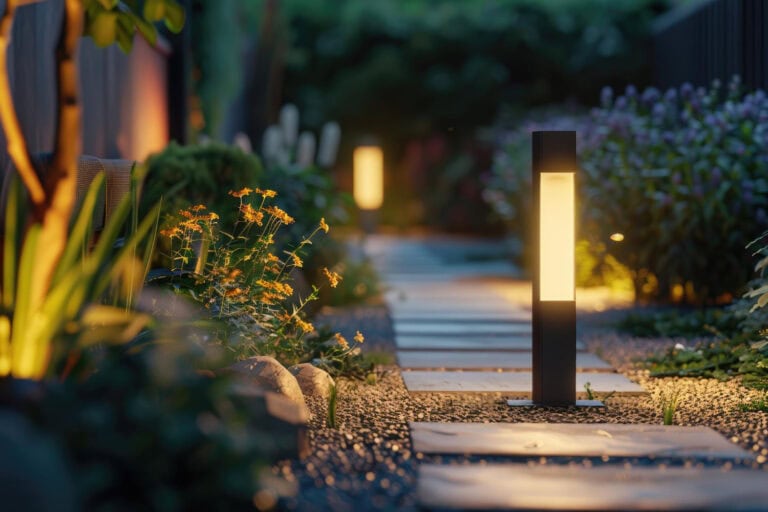
Walkways might not steal the spotlight, but they matter. They offer a sense of connection between parts of the yard. A path from the home’s back door to the garden or a winding walkway leading to a fire pit makes the layout easier to navigate and more inviting overall.
Walls can also do double duty. A short block wall can split up zones, control runoff on a slight slope, and give privacy from above-ground neighbors. These can be capped with smooth stone for a nice finish, and lighting can be added to the walls for evening use.
Bringing all that structure together with an outdoor kitchen or fire feature really finishes off the space. These are gathering points. A grill under a shaded patio or a gas fire pit near a seating nook makes the yard an extension of the home, not just something you admire through the window.
In the end, hardscapes bring a solid, dependable shape to the layout, giving the plants and furniture something to work around. Done right, they change how people use the space day to night and season to season.
Smart Layouts Lead to Better Living
When you look at a finished back yard remodel in Gilbert and it all seems to just click with comfortable flow, defined areas, and natural ease, it’s usually the result of smart decisions made from the start. Solving layout challenges isn’t just about fixing problems. It’s about shaping the space in a way that fits how you want to live outside.
Balance is key. There’s a rhythm to a good yard layout with clear movement from one zone to the next, thoughtful shading during the warmest stretches of the day, planting choices that look right and feel right, and hard surfaces that support comfort without adding maintenance headaches.
What matters most is that the final plan works for you. Maybe you want weekends full of friends visiting and kids running around. Or maybe you just want a peaceful evening spot to unwind. Either way, the layout should support that life. That’s what smart design is all about, building your yard around how you’ll actually use it, year after year.
Ready to transform your outdoor space in Gilbert into something exceptional? Discover how a thoughtful back yard remodel can bring your vision to life. With Outdoor Concepts, you’ll enjoy a beautifully designed yard that feels like a true extension of your home.