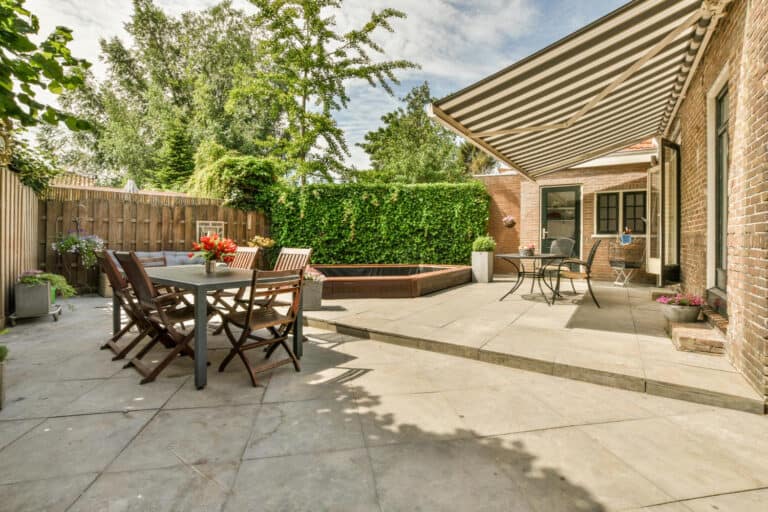
Summer isn’t always friendly to gardeners in Gilbert, Arizona. By the time late June arrives, the sun is intense, the rain is rare, and the ground can feel like a griddle. But that does not mean your yard has to look dry or dull. With a smart desert garden design in Arizona, we can keep outdoor spaces full of color, structure, and life, even during the hottest weeks of the year.
We like to think of summer gardening here as its own kind of planning. Instead of forcing water-loving plants to survive dry heat, we lean on choices that naturally thrive in it. That means using drought-resistant plants, grouping them by needs, and building a system that works with the weather, not against it. It’s less about managing damage and more about building strength from the start.
Choosing Heat-Tolerant Plants That Handle Direct Sun
The right plants make all the difference when the sun sticks around for 14 hours a day. Native plants and desert-adapted varieties give us a head start because they have already proven they can handle long, dry days with little help. And it’s not just about survival, they also bring color and character, even as the temperature climbs.
Some of the most reliable summer performers include:
- Agave, a sculptural plant that needs almost no water and holds its shape year-round
- Lantana comes in a range of cheerful colors and blooms through triple-digit heat
- Salvia adds movement and texture, and butterflies love it
- Desert Marigold, bright yellow blooms that bounce back quickly after dry spells
Placement matters too. We try to give each plant enough room to breathe, especially around the roots. Grouping species with similar sunlight and water needs makes it easier to care for everything at once. Containers can be helpful for some flowering plants that benefit from morning sun and afternoon protection.
Creating Color and Texture With Desert-Friendly Varieties
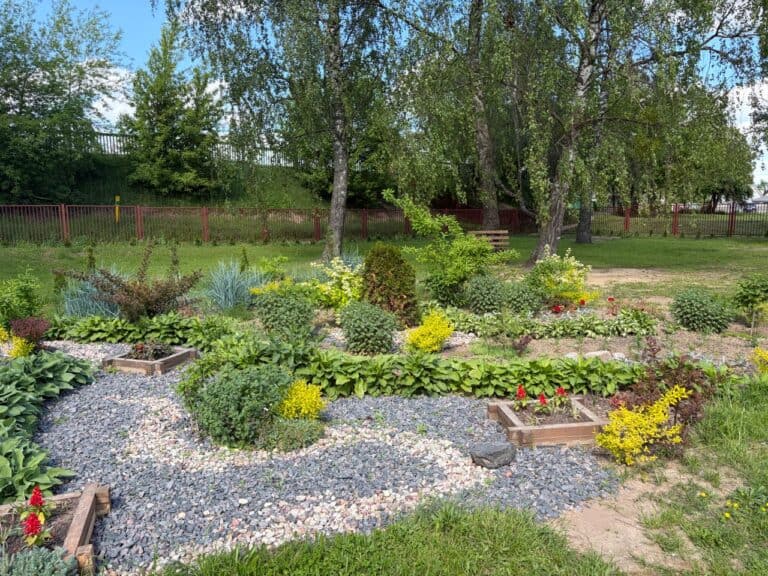
A garden does not have to be green on green. With the right plant mix, we can build layers of interest using yellows, oranges, purples, and even soft blues. Texture helps a lot too, it breaks up stretches of gravel or soil and keeps the garden from looking flat or dry.
We often blend summer-friendly bloomers like:
- Bird of Paradise, colorful and structured, with wide leaves and bold flowers
- Penstemon, delicate tubular blooms that soften the hard lines of structural plants
- Palo Verde Trees, gentle shade and seasonal yellow blossoms without heavy water needs
Ground covers are another quiet hero in summer plantings. They break up harsh stone surfaces, help cool the soil, and keep dust and weeds at bay. Creeping germander or trailing lantana are simple additions that help finish the space without increasing irrigation too much. Accent plants like red yucca bring drama with their shape, even when not in bloom.
Timing and Managing Irrigation Without Overwatering
When water is limited, it becomes one of the most important things to plan. We try to water where and when it matters most, and that usually means early morning or after the sun drops low in the evening. That gives plants time to soak moisture at the root before it evaporates in the heat.
Here’s how we handle irrigation in our summer gardens:
- Drip systems deliver slow water right to the roots, minimizing waste
- Soil blends with sand and compost improve retention and drainage
- A surface layer of mulch keeps the moisture from disappearing too fast
We stay alert for signs of overwatering too. Wet roots can rot just as fast as dry ones wilt, especially when the heat is high. If a plant starts looking off, it’s often better to adjust the timing or spacing of watering before adding more.
Building Shade and Structure Into the Garden
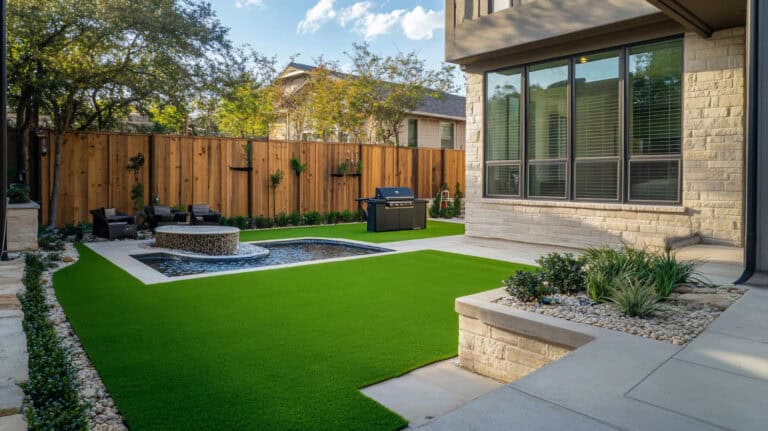
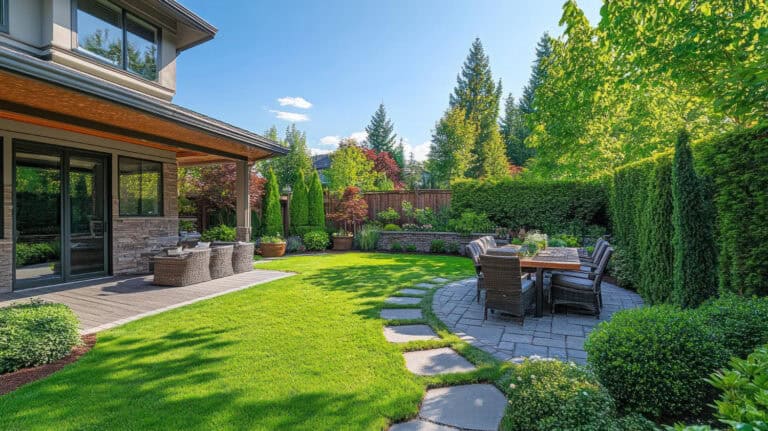
Shade isn’t only for sitting. It changes how plants grow, where they thrive, and how comfortable the space feels. We look for ways to block direct afternoon sun without cutting off air movement. That might mean planting trees on the west side, using pergolas, or setting up a ramada that pulls double duty, cooling both people and plants.
When we design summer gardens, we often:
- Place tall trees or shrubs behind sensitive beds to intercept the strongest light
- Use shade structures in gathering areas to help cooler plants nearby
- Add boulders or benches to break up open space and hold cooler air
Dry river beds or gravel bands can give the eye a place to rest, while also acting as run-off channels during summer storms. Small touches like these protect the garden and keep it engaging even if parts of it are resting during extreme heat.
Supporting Wildlife While Staying Low-Maintenance
One of the nice surprises in a desert garden is how quickly native plants attract helpful wildlife, birds, butterflies, and pollinators that help the garden take care of itself. These small visitors add life and movement without creating maintenance headaches.
To invite them in, we focus on plants that are both native and self-reliant:
- Milkweed supports butterflies and adds upright green texture
- Desert Willow is light and airy, with pink blooms that hummingbirds love
- Globe Mallow fills gaps with orange flowers and soft leaves
We keep things tidy during monsoon season by trimming back when needed and removing debris quickly. That helps avoid pests and keeps everything looking structured, even when the weather throws off a routine. It is maintenance that’s more about observation than constant work.
Designs That Keep Working Through the Heat
Every summer planting choice we make has a reason behind it. We pick plants that won’t wilt under stress. We space them so they won’t fight for water. We water when it counts and use materials that help the garden manage heat on its own.
A strong desert garden design in Arizona isn’t just beautiful in June, it keeps working through July, August, and beyond. With the right plan, a summer yard does not shut down for the season. It becomes the place we start our mornings, unwind at dusk, and enjoy the outdoors without trying to fight the heat. That’s what makes the effort worth it.
We design spaces that work with Arizona’s climate, not against it. From plant selection to irrigation layout, every detail is planned to thrive in intense heat while keeping your space beautiful and low maintenance. With thoughtful use of shade, texture, and native plants, a strong desert garden design in Arizona can bring out the best in your yard through the worst of summer. At Outdoor Concepts, we help create spaces that feel alive all season long. Contact us to get started on a design built for desert living.