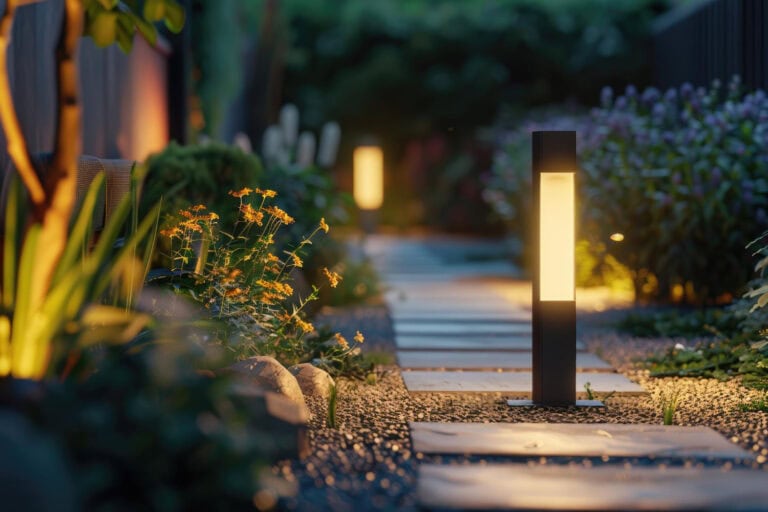
Landscape lighting plays a big role in how your outdoor space feels once the sun goes down. It helps highlight interesting features in your yard, like trees, walkways, pergolas, or garden walls. It also adds a nice touch of safety by lighting up paths and steps so people don’t trip while walking through. But when lighting isn’t properly placed or maintained, you may start noticing dark patches or unwanted shadows that ruin the effect.
These dark zones don’t just take away from how your yard looks. They can also create unsafe areas around stairs, patios, or pathways. The good news is, most of the time these issues come down to placement or gaps in coverage, and they’re fixable. Whether you’re refining areas around an outdoor kitchen or trying to better light the space beneath a large tree, paying attention to these details helps bring everything together.
Pinpointing Where the Shadows Are Coming From
Before changing or adding anything to your lighting setup, it helps to walk around your yard at night and see things the way guests or family members do. The shadows and dark spots are always more noticeable when your eyes adjust to the lighting conditions. You’ll want to take note of places where you can’t see well or where shadows fall in strange ways across important features like steps, water features, or seating areas.
Common reasons for dark spots or harsh shadows include:
– A burned out or dim bulb
– Lighting that’s angled too high or too low
– A tree, bush, or other object blocking the path of light
– Too few fixtures trying to cover too much ground
– Fixtures that were installed too far apart
A good way to approach this is by drawing a quick layout of your yard at night, either on paper or your phone. Mark each fixture and circle any areas that seem poorly lit. You’ll start to see where adjustments or additions are needed. If you have a patio with lighting across one side, but none on the opposite end, that imbalance becomes clear during a walkthrough. The same goes for long walkways where one end stays bright and the other fades into darkness.
Also, keep an eye out for reflections or glares bouncing off smooth surfaces like water or metal. While not exactly shadows, those bright flashes can cause your eyes to miss other areas of the yard altogether. Once you’ve got your dark zones mapped out, you’ll know what to focus on next.
Tweaking Existing Fixtures for Better Coverage
Sometimes the best fix is also the simplest. A lot of outdoor lighting problems, especially shadowy or uneven areas, come from the fixtures pointing the wrong way or being set too far apart. Making a few changes to placement and angle can often fill gaps without needing new fixtures.
Start by adjusting the angle of the lights you already have. If a fixture is too close to the feature it’s meant to light, it might cast a deep shadow behind it or make the area around it unexpectedly dark. Raising the angle, lowering it, or pointing it slightly to the side can spread the beam more evenly and soften harsh shadows. Try not to aim lights straight at where people will be walking or sitting. That can feel too bright and uncomfortable.
Spacing matters too. Lights placed too far apart might work fine in open spots, but they’ll leave dark areas near corners, plants, or steps. If things feel uneven, try moving a fixture just a few feet in either direction and see how it shifts the shadow line. It’s helpful to have someone stand in different parts of the yard while you adjust things to see how it looks from different angles.
Layers make a big difference. One type of light usually can’t do the full job on its own. A good mix of lighting types helps even things out:
– Floodlights to spread light over broader areas
– Spotlights to call attention to specific plants or architectural features
– Pathway lights to guide the way around turns, borders, or changes in elevation
– Deck or step lights to light low areas that overhead fixtures miss
It helps to test your adjustments across a few evenings. Moving one light might improve one side of the yard but create a new shadow elsewhere. Go out at dusk and then again when it’s fully dark to see what’s working and what still needs attention. Continue testing until light flows across your space in a way that feels even and welcoming.
Using Additional Fixtures to Fill in the Gaps
If adjusting your current lighting setup doesn’t fully fix the problem, it may be time to add a few new fixtures. Areas like staircases, corners of patios, gaps between trees, or the far ends of pathways often need dedicated lights. Trying to stretch one fixture’s light to cover too much ground ends up creating shadows where you least want them.
A few helpful types of fixtures to look into include:
1. Accent lights – Used for highlighting trees, wall textures, sculptures, and garden beds. These help balance light so it’s not all focused on walkways.
2. Deck or step lights – These low-profile fixtures work well along stairs, ledges, or raised patios. They guide the way without overpowering the space.
3. Under-cap lights – These tuck under the edges of seat walls or stone features to cast soft downward light, reducing shadows and harsh contrasts.
4. In-ground well lights – Installed along walls or under shrubs, these shine upward and eliminate darkness without taking up surface area.
5. Bollard lights – If you’ve got a wide open area like a long driveway or backyard path, bollard fixtures give off 360-degree light that spreads evenly.
When choosing new lights, make sure they match the tone and strength of the ones you already have. A bright, modern LED fixture won’t blend well if the rest of your lights have a warm glow. Keep finishes and styles consistent too. Whether your setup feels modern, rustic, or somewhere in between, fixtures that blend well help the whole yard feel like one complete space.
As an example, if there’s a pergola at the back of your yard that feels cut off from the main area, adding a couple of soft up-lights along the sides and a few step lights nearby can transform the space. Instead of disappearing into darkness, that part of your yard starts to feel like an inviting extension.
Make sure to test each addition. Light the area, take a walk through it, and adjust the brightness or angle if needed. Sometimes a small change makes a bigger difference than expected.
Keep Lighting Systems Running With Maintenance and Upgrades
Outdoor lighting in Gilbert takes a lot of wear from sun, wind, and the occasional rainstorm. Dust builds up fast, especially on fixtures near water features or planters. Wires can shift or get worn out over time. Without regular care, systems can start putting off uneven lighting or lose brightness.
Inspect your system every few months. During your check, look for:
– Burned out bulbs or fixtures that dim over time
– Lighting heads that are loose or tilted
– Dirty or cloudy lens covers
– Cracks in housings or broken fixture parts
– Wires that have come loose or show signs of wear
Cleaning each fixture with a soft cloth helps keep the lenses clear. Dust and debris can dull even a brand-new bulb. It’s also worth checking on your timers or any smart lighting controls to make sure they’re still set to match your needs.
Many systems that are more than a few years old weren’t built around the most energy-efficient options. Upgrading to LED fixtures can deliver more even lighting, reduce energy use, and cut down on how often you have to replace bulbs.
Smart lighting controls are another improvement worth looking into. With these systems, you can adjust brightness, group zones, or shift lighting schedules just by tapping your phone. That gives you instant control, even if the weather or your plans for the night suddenly change.
Keeping your lighting well-maintained gives you better control over how your yard looks, saves time on repairs, and protects your investment long-term.
Your Yard Deserves a Brighter, Safer Nighttime Look
Solving dark spots and unwanted shadows comes down to one goal—making your space more enjoyable and easier to use when the sun goes down. A good lighting setup ties the entire yard together, helping guests and family members safely move around while showing off the features that matter most.
Whether the challenge started with a shadowy step or a whole section of yard that always feels disconnected, a few thoughtful tweaks can bring balance. From minor fixture adjustments to adding well-placed path lights or low-profile step lighting, each change adds to the comfort and look of your outdoor setup.
Lighting should work with the way you move through the yard. It should match the style you worked hard to design and offer that same experience after dark. With regular updates and smart additions, your outdoor lighting system in Gilbert can feel just as welcoming at night as it does during the day.
To ensure your yard remains a beautifully lit oasis after dark, maintaining your lighting system is key. If you’re ready to enhance the charm and functionality of your outdoor spaces, explore the possibilities of outdoor lighting with Outdoor Concepts. Our expert team is here to help you create a seamless lighting setup that complements your landscape and keeps your property inviting throughout the year.