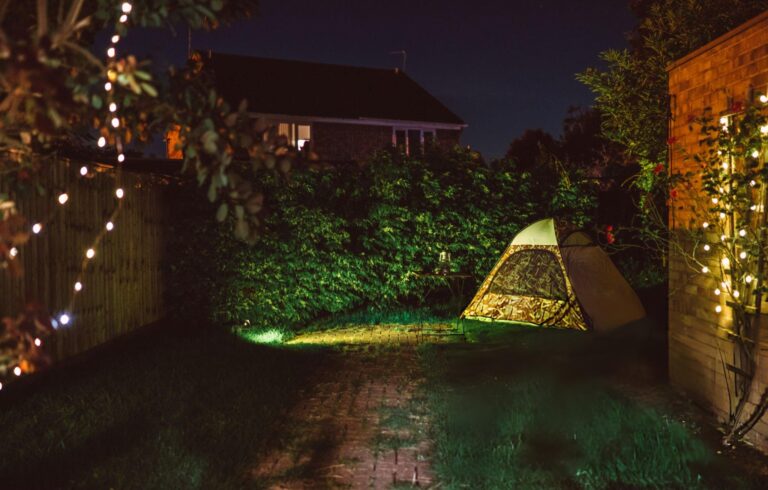
Even with Arizona’s year-round color and warmth, a desert garden can lose much of its charm after sunset without the right lighting. It’s not just a visibility issue. Lighting affects how we move through the garden, how comfortable we feel, and what parts of the space we can still enjoy at night. Missing a few key lighting spots can turn a well-designed garden into a dark, unused patch of space.
We’ve seen how smart lighting brings out the full potential of a garden, especially in desert garden design in Arizona. By filling gaps and adding dimension, lights allow you to enjoy every section of your outdoor space well into the evening.
Identifying Common Lighting Gaps in Desert Gardens
Most homeowners think about lighting a patio or a main walking path, but the smaller or less obvious areas often get left in the dark. These shadows can become missed opportunities, or worse, hazards after dark.
- Side yards often get forgotten, especially if they’re mainly used as passageways
- Pathways that wind around the home or garden beds can be uneven or low-lit
- Raised beds and planters offer structure in daylight but disappear at night
- Architectural or plant features meant to stand out often fade into darkness
Without balanced lighting, a garden can lose its depth. You may have a gorgeous grouping of agave or a curved stone wall that plays beautifully with sunlight, but once daylight fades, those design features vanish. We keep an eye on how different parts of a space perform at different times of year, too. During Arizona’s cooler months, dusk comes early, and that impacts how often and when lighting is needed. In warmer months, people spend more time outside in the evenings, especially after the heat lessens, so lighting becomes practical and welcome, not just decorative.
What Makes Lighting Design Different in the Arizona Desert
Lighting in the desert brings its own set of challenges and decisions. The weather here affects both how lighting looks and how the fixtures hold up over time.
- Intense daytime heat followed by cooler nights makes some materials expand and shrink, which can affect housing and wiring
- Plants grow in varying amounts of space and height, so the way light falls on them changes through the seasons
- Dust and debris from wind can collect on lenses, dulling light output if not cleaned regularly
- Metals and plastics need to resist fading or cracking under dry, direct sun
We look for ways to work with the rhythms of the desert, not against them. Fixtures need smart placement, shielding when necessary, and durability that matches the outdoor climate. Lighting also needs to flex with the desert’s bold natural textures. When you’re working with rock, gravel, cactus, and hardy shrubs, harsh lighting can flatten everything. Thoughtful placement instead helps those textures feel even more alive.
Choosing the Right Fixture Types and Placement
Well-placed lighting does more than brighten spots. It helps draw the eye, shapes how space feels, and spotlights features that deserve attention all evening. In desert gardens, we look for fixtures that blend in during the day and come alive with purpose after sunset.
- Downlighting from trees or overhangs creates a soft, natural effect, like moonlight
- Uplighting can make saguaro or ocotillo plants pop against a darker backdrop
- Wall washes bring a subtle glow to masonry or privacy barriers
- Embedded lights in pathways or stone pavers step up safety without adding visual clutter
The best layouts work with what’s already real: textured stone, clean gravel beds, blooming plants, not around it. A cactus edge lit too harshly might lose its shape and feel sharp. But done with care and the right angle, it glows with detail instead of glare. We always balance brightness so light does its job but does not overwhelm the garden’s natural beauty.
Layering Light to Match Outdoor Activities
Not every part of the garden needs to be lit equally. Lighting by activity zone makes the space feel more intentional and inviting. Dimmer zones near quiet seating areas let you unwind. Brighter paths make it easier to move around confidently. We layer lights so the garden supports how people naturally use it.
- Gathering spaces need clearer, warmer lighting to support meals and conversation
- Low-glow lighting near garden beds helps them stay in view without harshness
- Walkways should have just enough light for safety without being overlit
- Quiet spots benefit from softer lights that can be dimmed or turned off when not needed
Tools like dimmers, timers, and motion sensors help make this layering more flexible. They adapt the space without needing constant adjustment. As the seasons change or as a yard grows with new features like a pergola or fire pit, planning ahead with zone lighting makes expansion simple. For a desert garden, anticipating how the space will be used in different seasons leads to better decisions about what to light and when to light it. With these considerations, even larger yards remain inviting after sunset.
A Natural Nighttime Experience
The goal isn’t to flood the garden with light but to guide the eye and support the way the space feels at night. Done right, lighting adds character, not glare. It should help you spend more time outside, not feel like you’re under a spotlight.
Desert garden design in Arizona shines brightest when every part of the space (plantings, hardscape, seating, and paths) can still do its job after dark. Fixing lighting gaps makes the yard feel complete. It becomes somewhere you want to be at every hour, not just when the sun’s up. When each light adds something meaningful, the garden grows into a lived-in part of your daily rhythm. Whether you’re entertaining guests or enjoying a peaceful evening by yourself, good lighting makes all the difference in how the space welcomes you after sunset. Even on evenings with little activity, a well-lit garden gives your home an extra layer of comfort and security. With some thought and planning, your desert garden can become every bit as inviting at night as it is during the day.
Let the right lighting design transform your outdoor space in Gilbert, AZ, into a comfortable and inviting retreat after sunset. We plan with the environment in mind, choosing fixtures and placements that stand up to the summer heat and enhance the cooler winter evenings. Thoughtfully designed lighting improves both functionality and ambiance while highlighting the natural beauty of your landscape. To discover our approach to desert garden design in Arizona, contact Outdoor Concepts and let us help you make the most of every evening outdoors.