In Arizona, spring can feel like nature’s warm-up act before the real heat steps in. That’s when many of us start thinking about ways to enjoy our yards without losing comfort. Outdoor kitchens are one of those upgrades that sound great in theory, but people often wonder how well they handle the rising temperatures. Thoughtful design can go a long way in keeping the space cool and functional, even when the afternoons get toasty. By the time May hits in a place like Gilbert, the choices we make—materials, layout, shade—start to show their worth. All of those pieces, including budget, play into outdoor kitchen cost in Arizona, especially when you’re building for both comfort and durability in the desert.
Designing for Desert Temperatures
Outdoor kitchens face a different kind of challenge here. Direct sun, high temps, and long, dry spells all play a role. If you don’t build with that in mind, it’s easy to end up with a space that looks good in early spring but gets ignored by June.
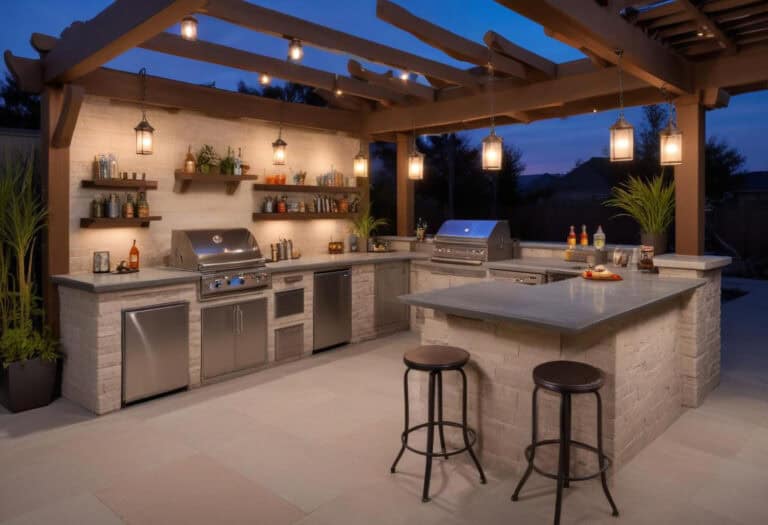
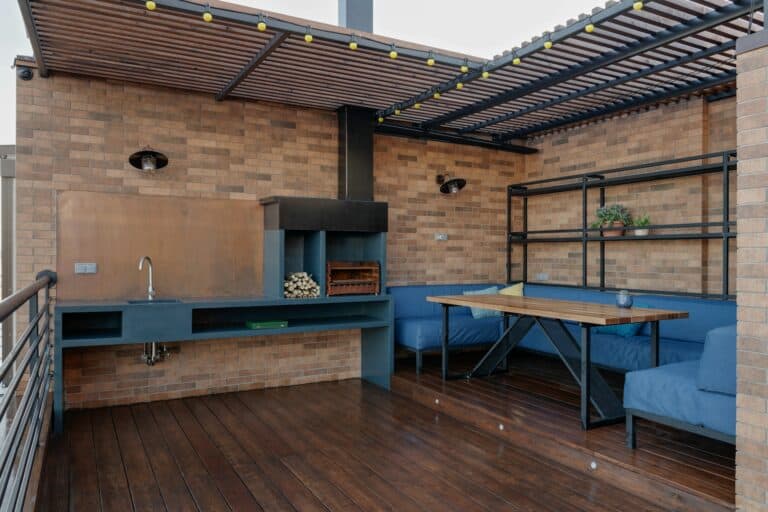
- Shade structures like pergolas and ramadas are a big help. They offer relief from peak sun but still let heat rise and air flow through.
- If trees or tall shrubs already provide some shelter, placing a kitchen nearby can make a big difference in natural cooling.
- Taller privacy walls along certain fence lines can also block that late afternoon sun when it’s the hardest to work around.
Designing with the desert climate in mind doesn’t just make the space more pleasant. It also helps prevent faster wear and tear down the road. Taking advantage of strategic orientation, for example, helps your kitchen avoid the harshest exposure. This could involve positioning cooking stations in an area shielded naturally by your house or yard. Such positioning increases shade, reducing the need for extra cooling features and prolonging the lifespan of your appliances and surfaces.
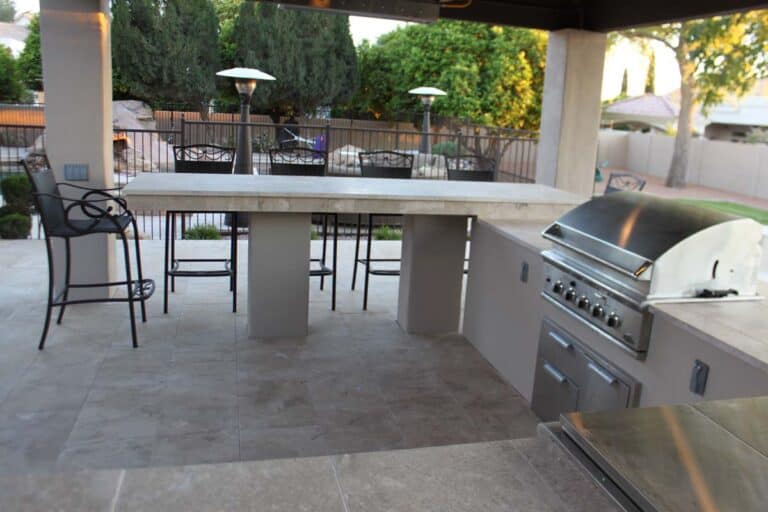
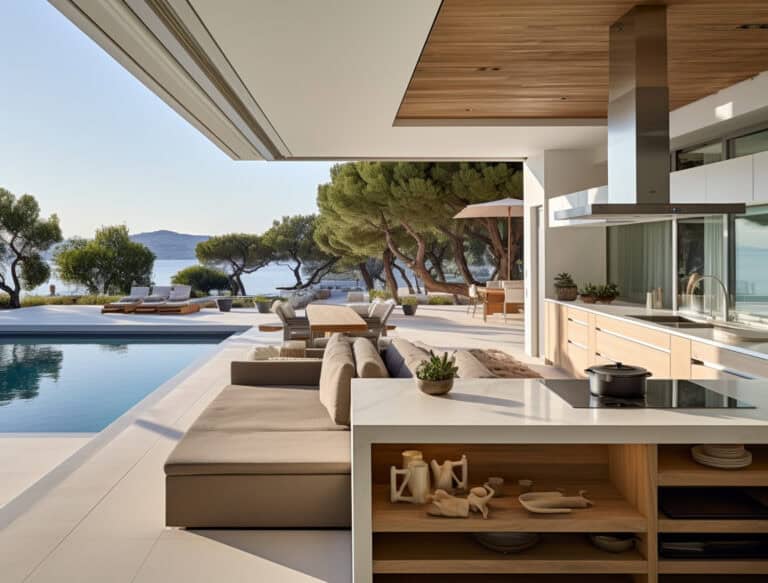
To further reduce temperature spikes within the kitchen, think about using lighter color palettes for rooftops, countertops, and flooring. Light shades naturally reflect more sunlight, making your surfaces less likely to burn bare feet or overheat cookware. With the right design approaches, your outdoor kitchen will stay usable and comfortable for more hours each day, especially when the sun is at its brightest.
Materials That Handle Spring and Summer Heat
Not every countertop or surface is ready for Arizona’s heat. What looks great in mild weather might not hold up once temperatures start climbing for real.
- Travertine and sealed stone are both popular underfoot. They don’t absorb heat as quickly and cool down faster in shade.
- When it comes to built-in grills, sinks, or fridges, we always look for materials that resist fading and can handle outdoor exposure long-term.
- Cabinets and tops need to be water- and heat-resistant. Otherwise, you end up with peeling, cracking, or warping, not ideal after one full summer.
It’s better to use materials proven to withstand hotter, drier conditions than settle for looks alone. Arizona puts outdoor finishes to the test quickly. Surfaces like tile and concrete should be sealed and properly maintained to avoid cracking or fading, especially if they are in full sun. For cabinet exteriors or built-in storage, powder-coated or marine-grade metals work better than basic options. These stand up well against sun, water, and dust, which are all frequent in Gilbert. Investing in sturdy, climate-appropriate finishes also means fewer repairs and replacements over time, lowering costs in the long run. Choosing materials specifically designed for the Southwest pays off by maintaining appearance and performance year after year.
Functional Add-Ons That Keep Things Comfortable
A good shade structure helps, but it’s not the only thing that can make an outdoor kitchen work in late spring or early summer. Add-ons give us room to fine-tune for comfort.
- Misting systems are often installed along covered patios or nearby seating to bring down the air temperature. They’re especially helpful when cooking during warm afternoons.
- Lighting matters, too. Overhead and task lighting lets the kitchen get more use after the sun dips but before the bugs come out.
- Ceiling fans or wall-mounted fans are often integrated into ramadas or under covered areas. They keep air moving so heat doesn’t just settle.
All of these elements come together to extend how often and for how long your kitchen gets used. A couple of smart upgrades can take it from occasional spot to everyday hub. The simple addition of pull-down shades on the western side or retractable awnings can further block direct sunlight late in the day. If storage space allows, consider storing grilling accessories, covers, and cleaning tools nearby to make the space easier to manage as the heat rises. By building features for both comfort and convenience, your outdoor kitchen becomes more than a place to cook—it becomes a part of your daily routine.
More Than the Build: What Impacts the Final Cost
The size of the kitchen and the quality of the materials are obvious parts of the price. But there’s more that goes into outdoor kitchen cost in Arizona than just picking finishes or appliances.
- Layout plays a role. Tight corners or uneven ground can mean extra prep, which affects time and labor.
- Spring can be a busy season for outdoor work around Gilbert, so scheduling may drive costs slightly if there’s a high demand or limited availability.
- Custom kitchens cost more than prefabricated setups upfront, but they usually perform better long-term, especially in extreme weather.
Knowing what drives cost helps homeowners make smart trade-offs. If your kitchen fits how you use the space, you tend to get more value out of the investment. Outdoor Concepts offers expert planning, design, and installation of custom outdoor kitchens in Gilbert, using durable materials and smart layouts that fit your shade and space needs.
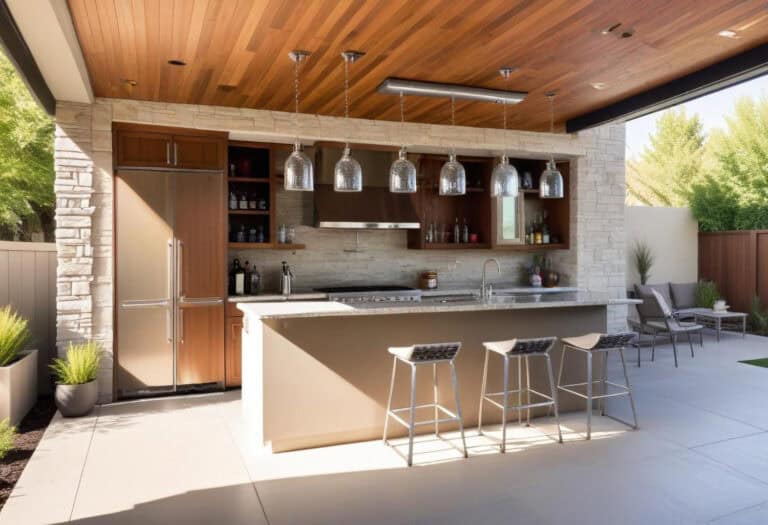
Project costs can fluctuate depending on what you want from the build and how intricate your plan becomes. When you add features such as built-in pizza ovens, refrigeration, or specialty sinks, prices can rise, but so may the utility and enjoyment of your space. Basic layouts with grill and counter usually land on the lower end of the price range. Larger islands, premium finishes, and full bar setups can move pricing higher but deliver a dramatic increase in everyday usability. Selecting only the features most important to you will help keep costs in check while still getting an outdoor kitchen you will use all year.
Make Spring Count With a Kitchen That Works All Season
Spring doesn’t last long in Arizona, which is why early planning makes a big difference. When we design an outdoor kitchen with shade, airflow, and smarter materials, it lets people use the space even when the heat turns up. It’s not just about having a place to cook—it’s about staying comfortable while you’re doing it.
A well-built outdoor kitchen can become one of the most used parts of your home. With thoughtful design that fits the weather, not just the yard, it works longer, looks better, and holds up to what’s coming next. Spring is the chance to get ahead while temperatures are still manageable and ideas can come to life without delay.
When we design outdoor kitchens in Gilbert, Arizona, we focus on shade, airflow, and materials that hold up well when temperatures climb. These choices don’t just affect comfort—they also impact long-term durability and how often the space gets used. Whether you’re starting from scratch or upgrading an existing layout, understanding what drives outdoor kitchen cost in Arizona can help you make smart decisions that fit your space and lifestyle. At Outdoor Concepts, we build with the weather in mind, so your yard becomes more livable all year. Contact us to start planning your outdoor kitchen today.