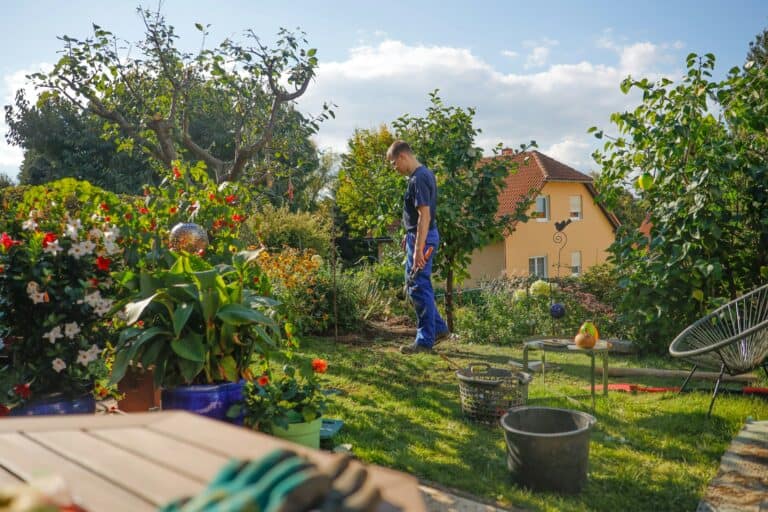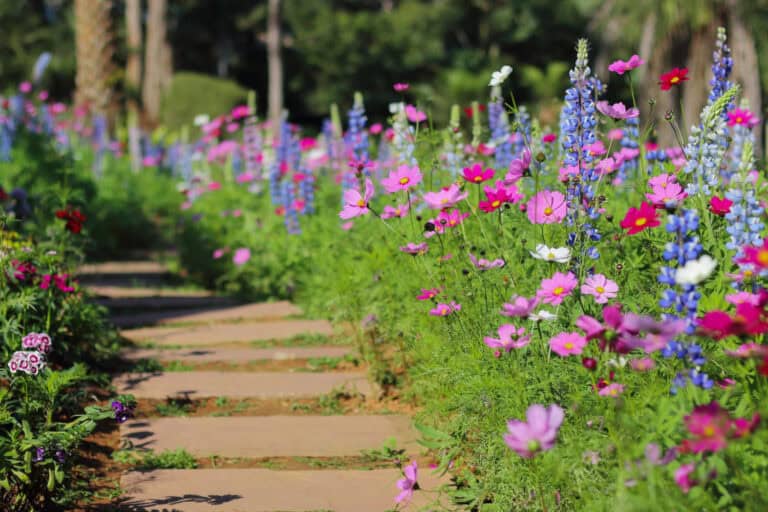
Uneven plant growth is one of those things that can sneak up on a landscape. Maybe one corner of your garden is full and green, while another area looks thin or patchy. Aside from the obvious eye-level impact, imbalanced growth can also mean bigger problems are developing below the surface. When some areas thrive and others lag behind, it’s often a sign that the environment isn’t working together the way it should.
Ignoring these issues for too long can lead to stunted growth, more frequent plant replacement, and even wasted water or resources. Uneven growth doesn’t just throw off the visual flow of your space, it can make upkeep harder too. Pinpointing the underlying causes is the best way to get things back in sync and help your entire yard perform better season after season.
Common Causes of Uneven Plant Growth
Plants don’t grow unevenly by accident. There’s always a reason behind thinning spots or dull areas, and most of the time, it involves more than one factor. Learning what to look for is the first step toward correcting the problem. In Gilbert, Arizona, desert soil and climate play a big role in how plants perform in different parts of the yard.
Here are a few common reasons your plants might be growing unevenly:
– Soil quality differences: Even in a compact space, soil types can vary. One area might have heavy clay while another has sandier soil. These variations affect drainage, root development, and moisture levels, all of which impact how well plants grow.
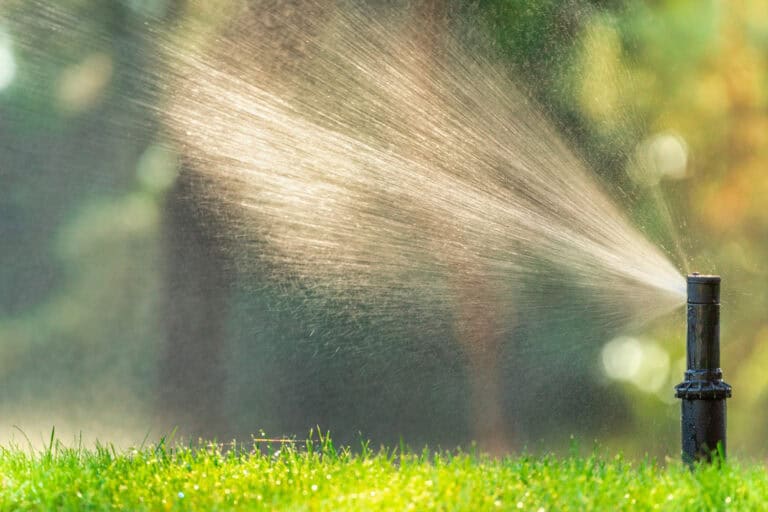
– Water distribution problems: Irrigation systems help balance how much water each plant gets, but clogs or unequal pressure can leave dry spots. Under Gilbert’s strong sun, dry soil can quickly lead to wilting or stunted growth.
– Shade and sun inconsistencies: Whether it’s from growing trees, structures like pergolas, or changes in sun angle throughout the year, uneven sunlight makes a big difference. Some plants need full sun and won’t thrive in the shade, while others may get scorched without protection.
– Nutrient gaps: High-traffic zones or areas with higher runoff may be drained of nutrients faster than others. That can lead to one section of the yard looking lush and green while another struggles, even when the plants appear to be the same species.
Understanding what’s throwing things off helps you avoid missteps and apply the right fix. Even subtle changes in soil or sunlight can create bigger imbalances over time if they’re not addressed early.
Effective Solutions to Ensure Even Plant Growth
You don’t need to redo your entire landscape to fix uneven growth. Targeted adjustments often produce the biggest improvements. By working with what you already have and making purpose-driven updates, you can bring harmony to your outdoor space.
Consider putting these ideas into action:
1. Test and fix the soil
Start with a basic soil test. This will tell you the pH and nutrient levels across different parts of your yard. If the results show deficiencies, you can improve soil structure with compost, gypsum, or organic matter. The goal is to level out drainage and provide a more stable environment for roots everywhere.
2. Update your irrigation setup
Uneven watering is a big issue in desert climates like Gilbert. Installing or upgrading to a smart irrigation system helps solve this. Modern systems adjust based on weather, plant types, and lighting conditions to keep water flowing where it’s truly needed.
3. Place plants based on sunlight
When arranging your plants, map out how the sun moves through your yard. Avoid placing sun-loving plants behind tall shrubs or along shaded fence lines. Mix up textures and sizes so each plant can get the light it needs without overcrowding.
4. Use fertilizer with purpose
Fertilizing should be even and thoughtful. Avoid dumping heavy amounts in one zone while skipping another. A balanced formula, timed with seasonal transitions, supports overall growth and leads to a fuller, more coordinated look.
Other small steps like applying mulch to retain moisture or thinning out overgrown beds can also help balance out growth over time. The key is narrowing your focus instead of applying a one-size-fits-all fix.
Long-Term Maintenance Strategies
Once your plants are growing more evenly, it’s important to keep things running smoothly. Consistent attention to detail helps prevent future issues and keeps your yard looking its best year-round.
Here are a few regular habits to get into:
– Weekly walk-throughs to check for stress, pests, or dry patches
– Seasonal updates to your watering schedule to match outdoor conditions
– Fertilizer rotations based on growth cycles and plant types
– Pruning sessions in spring and fall to shape new growth and manage plant size
Maintaining moisture also plays a big role. Mulch is your best friend in Arizona’s summer heat. It keeps the soil cool, reduces weed growth, and breaks down over time to feed the soil. Choose materials like bark chips or decomposed granite to match your layout.
Thinning out overgrown areas might seem like extra work, but it pays off. Removing some growth or clearing cluttered beds allows airflow and sunlight to reach the right places. This keeps plants healthy and guards against mold or rot. It also gives your yard a cleaner, more structured feel with less competition between plants for space and resources.
Optimize Outdoor Living Spaces with Professional Landscaping Design
Great landscaping isn’t just about plants. When your layout is intentional, it boosts everything growing within it. That’s where smart design makes a real difference. Outdoor Concepts can help set up your space so it supports plant health now and years down the line.
Whether you’re adding a patio, shade structure, or fire feature, it all plays into the overall feel and function of your yard. In Gilbert, it’s especially important to work with materials and placements that cooperate with the desert climate. Hardscapes can improve drainage, divide planting zones, and help your layout flow naturally.
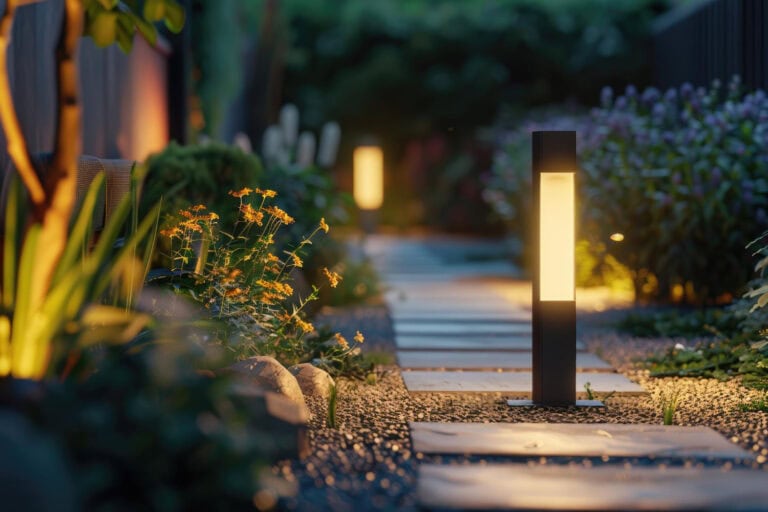
Our design process looks at the full picture. From lighting systems that guide evening care to thoughtful plant placement that avoids future overgrowth, every piece supports a full and fair growth strategy. With additions like planters, retainer walls, or shaded pergolas, you not only boost appearance but also encourage better irrigation, sun coverage, and foot traffic flow.
Keeping Your Yard on Track for Seasons to Come
Uneven plant growth doesn’t mean your whole landscape needs to be redone. It’s often just a sign that something’s out of balance. Whether it’s the soil, water, sunlight, or even plant crowding, these things can all be adjusted with a thoughtful plan.
By spotting the signs early and addressing them with the right tools, you avoid bigger issues later on. Knowing when to rearrange, treat, or rework a section helps everything else stay balanced too.
A well-planned landscape design goes beyond filling in bare spots. With the right support from professionals who understand Gilbert’s environment, your outdoor space becomes more than just green. It becomes healthy, beautiful, and ready to grow together as one.
For a landscape that thrives season after season, thoughtful planning and consistent care go a long way. Focusing on healthy soil, efficient watering, and smart design choices helps your yard stay vibrant in Arizona’s unique climate. To see how your space can benefit from personalized landscaping design that works with Gilbert’s environment, turn to the team at Outdoor Concepts.